An ecological approach to birdstrike risk analysis
An ecological approach to birdstrike risk analysis
Cecilia Soldatini & Vyron Georgalas & Patrizia Torricelli & Yuri V. Albores-Barajas

An ecological approach to birdstrike risk analysis
Cecilia Soldatini & Vyron Georgalas & Patrizia Torricelli & Yuri V. Albores-Barajas
REPORTING BIAS IN BIRD STRIKES AT JOHN F KENNEDY INTERNATIONAL AIRPORT, NEW YORK, 1979-1998. Scott C. Barras & Richard A. Dolbeer U. S. Department of Agriculture, Wildlife Services, National Wildlife Research Center, 6100 Columbus Avenue, Sandusky, OH 44870 USA. Email: scott.c.barras@usda.gov Click here for the Article
AO, AIRPORT OVERLAY ZONE Click here for the Article
MANAGEMENT OF RODENT POPULATIONS AT AIRPORTS Gary W. Witmer USDA, APHIS, Wildlife Services, National Wildlife Research Center, 4101 LaPorte Avenue, Fort Collins, CO 80521, USA Jessica W. Fantinato USDA, APHIS, Wildlife Services, 4700 River Road, Unit 87, Riverdale, MD 20737, USA Click here for the Article
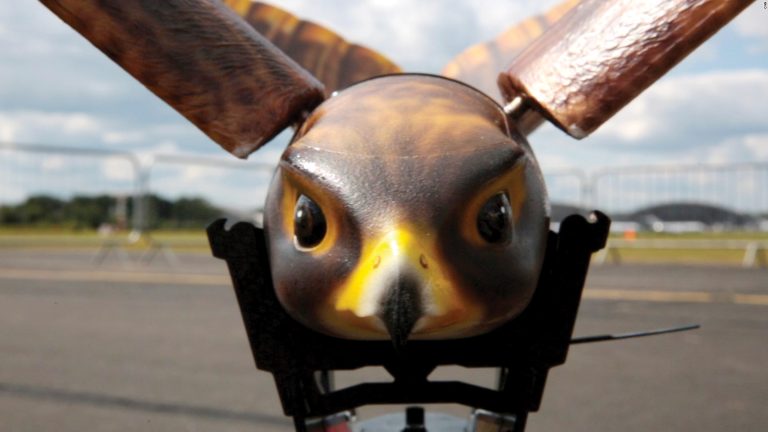
When it’s bird versus airplane, both lose. The energy released when a 3 kg (6.6 lb) bird is hit by an aircraft traveling 150 mph equals the energy released by dropping a 47 lb object from 100 feet. The results can be devastating. You may find here an interesting article about last year’s ICAO Wildlife…
Wildlife Responses to Long-Term Application of Biosolids to Grasslands in North Carolina Brian E. Washburn and Michael J. Begier Click here for the Article
PROCEEDINGS Streaked Horned Lark and Pacific Northwest Airports A Collaborative Workshop Water Resources Education Center 9 March 2011, Vancouver, WA Click here for the Article